Digital BusinessOnline Money
Turn Any YouTube Video into Viral Shorts Using AI (Auto Shorts Tool 2026)
YouTube to Shorts AI Tool (Auto Video Clipper)
Turn Any YouTube Video into Viral Shorts with AI (Auto Shorts Tool, 2026)
Long videos can take hours to edit, yet Shorts often get the reach. If you’re sitting on interviews, podcasts, tutorials, or streams, you don’t need to start from scratch to post more. An AI auto shorts tool (like Auto Shorts Tool in 2026) scans your YouTube video, spots the strongest moments, crops for vertical, adds captions, and preps clips you can publish fast. That means less time scrubbing timelines, and more time shipping consistent content. Still, AI won’t magically make a boring segment go viral. You’ll get the best results when you pick sharp hooks, keep cuts clean, and match the clip to what your audience already watches. This guide sticks to repeatable 2026 workflows you can run every week, no hype, just steps that work.Dominate Short-Form Video: The Ultimate Guide to Creating YouTube Shorts Free with AI opus.pro
YouTube Shorts have exploded onto the scene, pulling in over 70 billion daily views as of early 2026. Creators chase that viral rush, but the grind of making quick videos often bogs them down—endless hours editing clips, scripting hooks, or resizing footage just to keep up. What if you could skip the hassle? Enter opus.pro, a free AI tool that turns your long videos into polished Shorts in minutes, giving you an edge in the short-form content strategy race.Why AI is Non-Negotiable for Modern Shorts Creation
The Unsustainable Pace of Short-Form Content Demands Automation
Posting YouTube Shorts daily feels like a must to win the algorithm’s favor. Creators who upload three to five times a week see up to 40% more engagement, based on recent YouTube data. Manual editing drains your time, leaving little room for ideas or growth. AI steps in to handle the heavy lift, letting you focus on what matters: connecting with viewers. Without automation, the rush to produce high-volume content leads to burnout. Think of it as trying to cook a full meal while running a marathon—exhausting and error-prone. Opus.pro changes that by speeding up the process, so you post more without sacrificing quality.Understanding the Core Features of opus.pro for Shorts
Opus.pro shines with tools built for YouTube Shorts. Its automatic transcription catches every word from your input video, turning speech into editable text fast. Smart clipping spots the best moments, like funny reactions or key tips, without you hunting through hours of footage. The AI also adjusts aspect ratios to the perfect 9:16 vertical format, ideal for mobile screens. Plus, it generates text overlays that pop, making your Shorts easy to follow even on mute. These features make free AI video creation a reality for beginners and pros alike.Accessibility: Making High-Quality Shorts Free for Everyone
The free tier of opus.pro packs enough punch to rival paid apps like CapCut or InShot. You get unlimited basic edits, AI clipping for up to 10 minutes of input per Short, and exports without watermarks on core features. No credit card needed—just sign up and start. This setup levels the playing field. Small creators no longer need big budgets for pro tools. Opus.pro democratizes short-form video making, so anyone with a phone can produce content that looks studio-grade. Paid competitors charge $10 to $20 monthly for similar AI perks, but opus.pro delivers the essentials at zero cost. You avoid hidden fees while building your channel. It’s a smart pick for testing ideas before scaling up.Step-by-Step: Generating Your First YouTube Short with opus.pro AI
Input Mastery: Turning Long-Form Content into Viral Clips
Start by feeding opus.pro your existing assets, like a 20-minute YouTube video or raw phone footage. The AI scans for high-retention spots—those parts where viewers stick around longest. This repurposing trick saves you from starting from scratch every time. Pick the most engaging 30-60 seconds to feed in first. Look for a strong story beat or laugh-out-loud moment in your long video. Opus.pro then analyzes it, pulling out clips that could go viral on YouTube Shorts. Why bother with long-form? It builds a content library you can mine endlessly. One podcast episode might yield five Shorts, boosting your reach without extra filming.AI-Powered Selection and Trimming for Maximum Engagement
Once uploaded, the AI highlights key soundbites and visual changes. It trims automatically to 15-60 seconds, the sweet spot for Shorts retention. You review and tweak cuts right in the simple interface—no steep learning curve. Refine by dragging edges or swapping clips if the AI misses a nuance. This keeps your Short punchy and on-point. Test a few versions to see what flows best. The result? A tight video that holds attention from start to finish. AI handles the grunt work, so your creativity shines through.Enhancing Visibility: Automatic Captions and Branding
Captions boost views by 12% since many watch Shorts without sound, per YouTube stats. Opus.pro auto-generates them, syncing text to speech for smooth playback. Customize colors and fonts to match your style—bold white on black for drama, or fun pastels for tips. Add a subtle logo in the corner for brand recall. The tool overlays it without cluttering the frame. These touches make your free AI video creation feel personal and pro. Silent scrollers thank you for readable text. It turns casual viewers into subscribers.Optimizing Your AI-Generated Short for YouTube Algorithm Success
Mastering the 9:16 Aspect Ratio and Vertical Orientation
Vertical videos rule Shorts—horizontal ones get cropped and lose impact. Opus.pro auto-reframes your content, centering faces or action in the 9:16 frame. No manual resizing headaches. This optimization fits mobile habits perfectly. Viewers hold phones upright, so your clip fills the screen. AI detects and adjusts focus points, like zooming on a talking head. Poor framing kills engagement. With opus.pro, every Short looks native to YouTube, driving more watch time.Crafting Click-Worthy Titles and Hashtags with AI Assistance
Titles need to spark curiosity in under 60 characters. Opus.pro suggests options based on your clip’s content, like “Quick Fix for Busy Moms” from a parenting tip. Keep them punchy to beat the scroll. Hashtags amplify discoverability. Use these high-traffic ones: #YouTubeShorts, #ShortsTips, #AIEditing, #ViralClips, #ContentHack. Mix three to five per post for best reach. Strong titles and tags push your Short into feeds. AI help ensures they fit your video’s vibe.The Crucial Role of the First 3 Seconds (The Hook Test)
The opening hook decides if viewers stay or swipe. Opus.pro generates multiple starts—test them by playing back. Does it pose a question or show a surprise? Aim for a question like “Want faster edits?” or a bold claim. Review AI options and pick the one with the strongest pull. This simple test can double retention. Creator MrBeast swears by killer hooks from longer vids; he repurposes them into Shorts gold. You can too, with AI spotting those gems.Advanced Strategies: Scaling Your Shorts Output with Free AI Tools
Batch Processing and Template Utilization for Consistency
Handle multiple videos at once with opus.pro’s batch mode. Upload several long clips, and AI processes them in queue. Set templates for captions and overlays to keep your feed uniform. Save a style—like blue text with your logo—for quick reuse. This builds brand trust across 20 Shorts a week. No redoing basics each time. Consistency grows audiences. Templates make scaling feel effortless.Content Repurposing: From YouTube to TikTok via AI
One opus.pro Short works everywhere. Export and tweak for TikTok by swapping music or speed. The AI core stays the same, saving hours. Instagram Reels love the vertical format too. Adjust hashtags per platform for cross-post wins. Your effort multiplies reach. This multi-tool approach fits busy creators. Turn YouTube hits into TikTok trends seamlessly.Analyzing Performance: What the Shorts Data Tells You
Dive into YouTube Studio after posting. See which AI-clipped parts got the most views—retention graphs show peaks. Use that to guide next inputs. If hooks from minute two perform best, prioritize similar spots. Feed insights back to opus.pro for smarter clips. This loop refines your strategy. Data turns guesswork into growth. Track and tweak for steady gains.Your Free Shortcut to YouTube Shorts Authority
Opus.pro delivers speed, quality, and zero cost for YouTube Shorts. You cut production time by 80%, focus on fun ideas, and watch your channel climb. Jump on the short-form wave now—sign up for free and make your first Short today.- AI boosts output without burnout.
- Vertical tweaks ensure algorithm love.
- Free access opens doors for all creators.
What makes a YouTube Short go viral in 2026 (and what AI can and cannot do)
“Viral” is not a magic view count. In practical terms, a viral YouTube Short stacks strong retention, rewatches, and high-intent actions like shares, follows, and saves. When those signals show up early, YouTube has a reason to test your Short on more people. Shorts also play by different rules than long videos. You don’t get a slow build. You get a swipe. That’s why Shorts reward a fast hook, tight pacing, and a loopable ending that makes rewatching feel natural. Think of it like a song chorus, the best part has to hit quickly. Before you even talk strategy, nail the basics. Shoot or crop in 9:16, keep key visuals inside safe zones (avoid placing faces and text near the edges), and use captions because many people watch on mute. Still, sound matters because music, voice clarity, and punchy sound effects can raise perceived quality and keep attention.The three signals that decide your reach: hook, retention, and rewatch
The first signal is the hook. You have about one second to stop the swipe, so you need a clear promise fast. A hook works best when it tells viewers what they’ll get (and why they should care) with no warm-up. Here are simple hook formats that keep working in 2026:- Question: “Why do your Shorts flatline at 800 views?”
- Bold claim: “This one cut doubled my retention overnight.”
- Quick before and after: Show the messy clip for half a second, then flash the clean, captioned version.
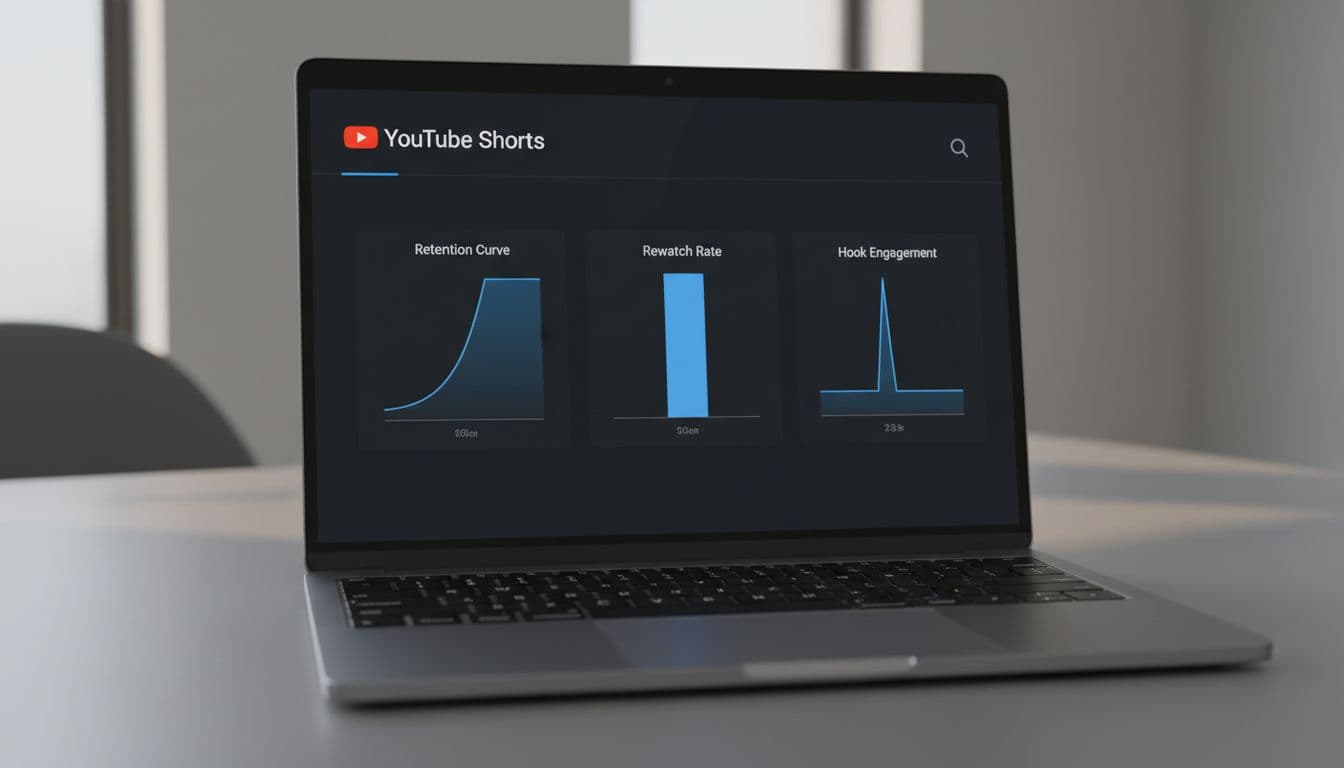 Next comes retention, meaning how long people stay. The algorithm can’t “love” your Short if viewers keep leaving at second three. Your job is to remove friction and keep the story moving.
A few retention fixes that are simple but brutal in the best way:
Next comes retention, meaning how long people stay. The algorithm can’t “love” your Short if viewers keep leaving at second three. Your job is to remove friction and keep the story moving.
A few retention fixes that are simple but brutal in the best way:
- Cut dead air: remove greetings, “so yeah,” long breaths, and repeated words. If it doesn’t add meaning, it goes.
- Add pattern interrupts every few seconds: change camera crop, add a quick on-screen visual, switch angle, zoom, or swap b-roll. Keep the idea the same, refresh the look.
- Show the payoff early: don’t hide the result at the end. Tease it upfront, then explain how you got it.
If your Short needs 10 seconds of setup, it’s probably two Shorts. Split it.Finally, you want rewatch. Rewatches tell YouTube your Short is satisfying, not just clickable. The easiest way to earn rewatches is to design a clean loop. Try one of these looping methods:
- Connect the ending to the start: end on the same frame or visual you opened with, so the replay feels seamless.
- Cut on action: end mid-motion (hand reaching, clip snapping, door opening). The loop feels like continuation, not a stop.
- Close the open loop: bring back the original question or claim in the final second, so viewers instinctively replay to catch what they missed.
Where AI helps most, and where you still need a human brain
AI is at its best when the task is repetitive, measurable, or time-consuming. That’s why an AI auto shorts tool can save you hours by turning a long video into a stack of decent first drafts. It can’t care about your audience, but it can process a lot of footage fast. Where AI helps most with Shorts in 2026:
- Finding peaks in engagement: it can scan for high-energy moments (laughs, emphasis, fast back-and-forth, strong delivery).
- Auto transcription: fast, searchable text makes editing and captioning quicker.
- Smart cropping: it can keep faces centered in 9:16, even when the original was wide.
- Caption styling and placement: consistent, readable captions that stay in safe zones.
- Batching exports: turning one long video into 10 to 30 Shorts-ready clips in one session.
- A/B title ideas: quick variations that match what people actually search and click.
- Choosing the right story: the best clip is not always the loudest one. It’s the one with a clear point.
- Checking facts: AI can mishear names, numbers, and claims in transcripts. Fixing errors protects trust.
- Brand voice: your pacing, humor, and level of directness should feel like you, not like a template.
- Making the clip mean something: every Short needs a takeaway (a tip, a warning, a result, or a decision), not just words.
AI edits faster than you. You still decide what’s worth watching.
How to turn one long YouTube video into 10 to 30 Shorts with an AI Auto Shorts Tool
The fastest way to post more Shorts is to treat your long video like a “clip library,” not a single piece of content. In a solid Auto Shorts Tool 2026 workflow, you do four things: prep the source so the AI can spot clean moments, generate a big batch, score and filter quickly, then polish only the winners. That’s how you get volume without posting sloppy clips. Below is a step-by-step process you can repeat every week, even if you’re not an editor.Prep your source video so the AI finds better moments
An AI auto shorts tool can’t read your mind. It relies on audio, pacing, and structure. If your long video rambles, the tool will still find “high energy” moments, but they may lack context. So, before you upload, clean up the source so the AI has obvious segments to grab. Here’s the prep checklist that improves clip quality fast:- Clear topic: Stick to one core promise per video. If it’s “how to fix low retention,” don’t spend 6 minutes on gear talk.
- Fewer tangents: Tangents produce clips that start mid-thought. AI can cut them, but it can’t add missing setup.
- Good mic audio: Remove hum, echo, and low volume. Clean audio gives cleaner captions and better “moment detection.”
- Visible reactions: Nods, surprise, laughter, and emphasis make clips feel alive. They also make smart-crop easier.
- Clean screen recordings: Hide notifications, zoom in on key areas, and avoid tiny UI details that won’t read on a phone.
- Strong segments: Stories, tips, mistakes, wins, and “what I’d do differently” almost always become good Shorts.
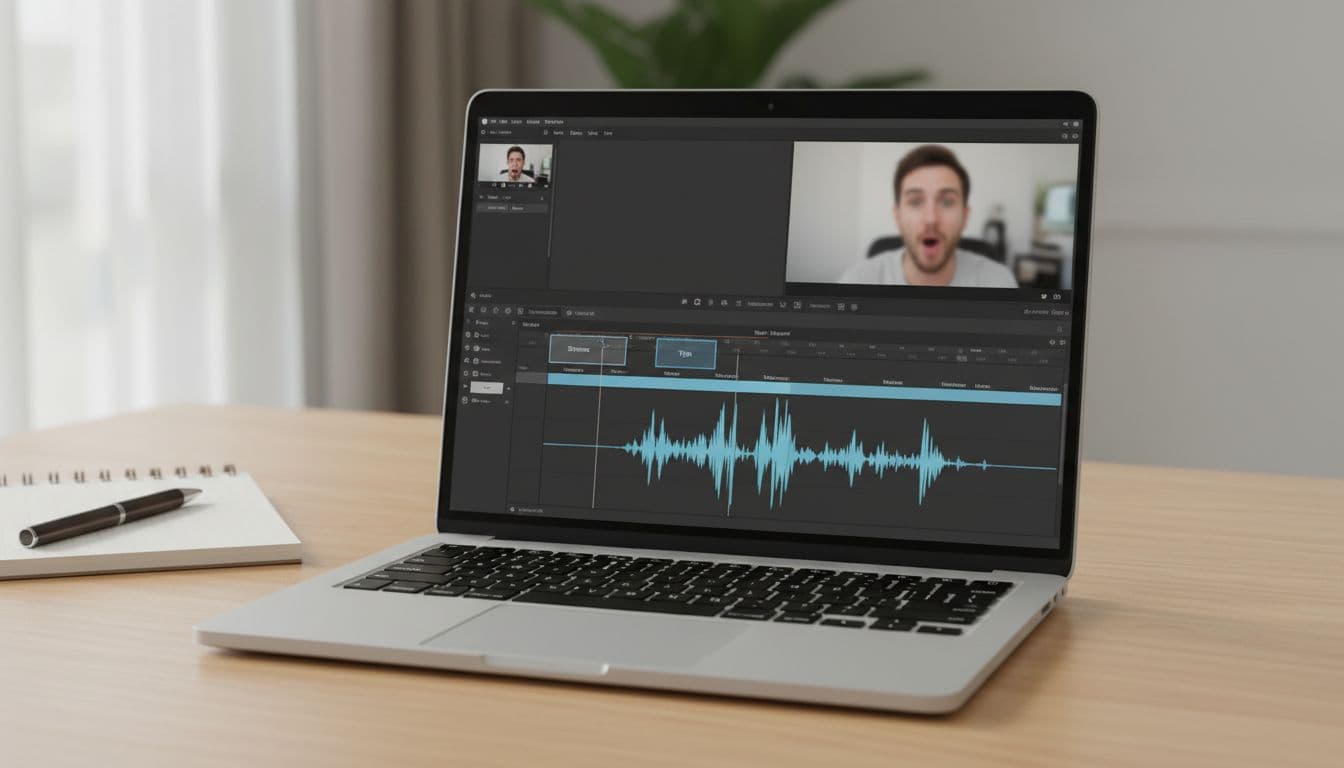 One more choice matters: evergreen vs news clips. Evergreen clips (timeless tips, frameworks, strong opinions) keep paying you for months. News clips (reaction to an update, trending drama) can spike fast but expire quickly. A smart mix is 70% evergreen, 30% timely, so your library stays valuable.
If the full video is hard to skim, your Shorts batch will be hard to pick. Structure is the hidden shortcut.
Generate clips, then filter with a simple scoring rule
Once your video is uploaded (or imported), let the Auto Shorts Tool 2026 generate a wide batch first. Don’t overthink the initial settings. Your goal is quantity of options, then fast filtering. After the tool produces clips, use a simple scoring rule so you don’t get stuck watching 40 drafts. Score each clip from 1 to 5 in four categories, then add the numbers. Here’s the scoring system:- Instant clarity (1 to 5): Can someone understand what’s happening in the first second?
- Emotional punch (1 to 5): Does it trigger curiosity, surprise, relief, or a laugh?
- Standalone value (1 to 5): Would this help someone even if they never watch the long video?
- Clean ending (1 to 5): Does it stop cleanly without cutting off a word or leaving the thought unfinished?
- “Here’s the mistake I made…”
- “Do this instead…”
- “The reason it failed was…”
- “What changed everything was…”
Polish the winners: captions, framing, pacing, and a loopable ending
After scoring, you should have a smaller stack of winners. Now you earn the “viral-ready” look with quick polish. Think of this step like sharpening a knife. The steel is already good, you’re just making it bite. Start with auto captions, then do an accuracy check. Fix names, numbers, and brand terms first. Next, style captions so they help the eye. A simple approach is to highlight keywords (one or two words per line) so viewers can skim while listening.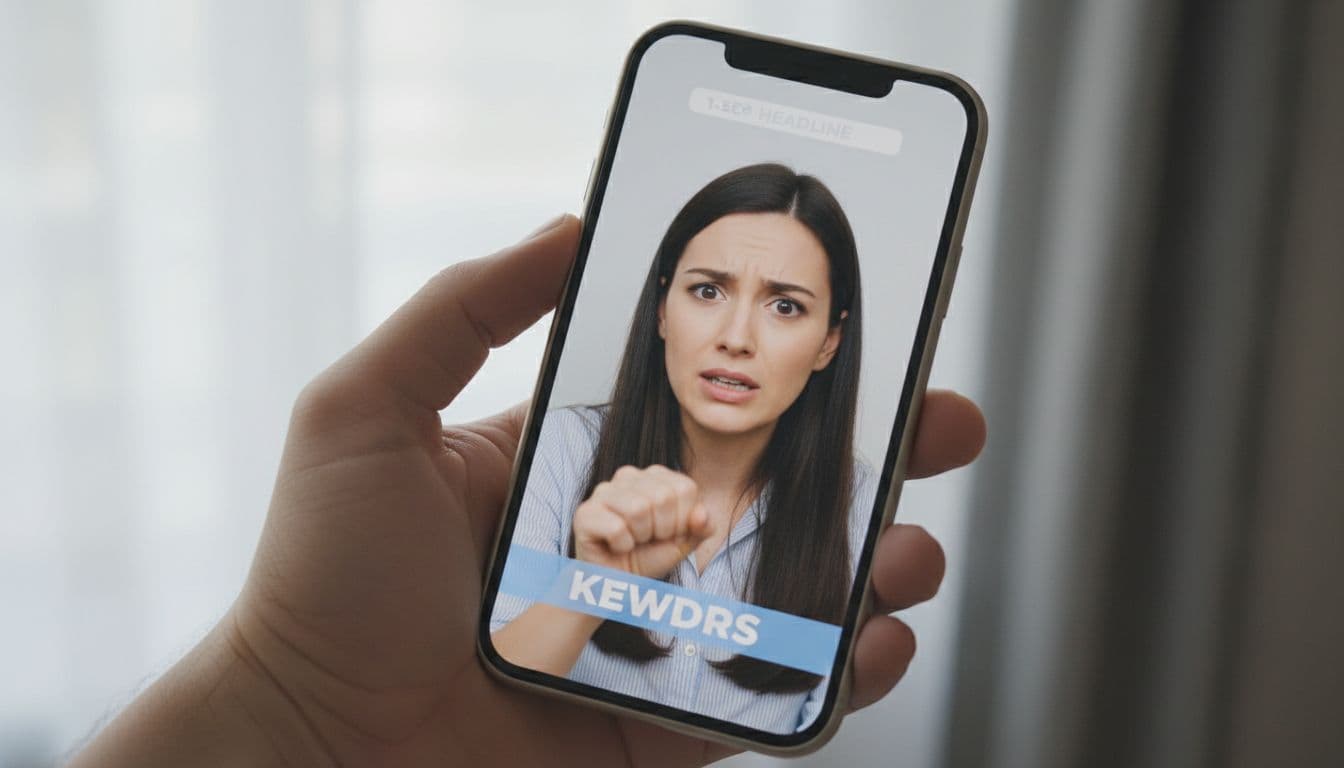 Then handle the vertical edit:
- Vertical smart-crop: Keep your face and the “meaning” centered (hands, product, whiteboard, key UI). If your crop keeps drifting, lock the frame and cut to a tighter crop manually for key lines.
- Pacing cleanup: Remove filler words like “um,” “you know,” repeated phrases, and long breaths. Those pauses kill retention on mobile.
- Add a 1 to 2 second headline: Put a short on-screen headline right at the start. It should match the clip’s promise, not a vague title.
- End on motion: Cut on a gesture, a turn, a click, or a point. The replay feels natural.
- End with an open loop: “And that’s why your retention drops at second two…” then cut. People rewatch to connect the dots.
Batch export for every platform without re-editing
Once your clips look right, export in batches so you don’t re-edit the same thing three times. The goal is to make one “master” clip, then create format versions that match each platform. A clean export set looks like this:- 9:16 (primary): Use for YouTube Shorts, Instagram Reels, and TikTok.
- 1:1 (optional): Useful for some feed placements and repurposing on platforms that favor square.
- With burned-in captions: Great for fast posting and silent viewers.
- Without burned-in captions: Best when you want native captions later (and easier edits if you tweak wording).
- Folder by source:
2026-03-LongVideo-Topic/ - Subfolders:
01_Shorts_9x16_Captioned,02_Shorts_9x16_NoCaptions,03_Square_1x1 - File names:
EP12_Clip07_Hook-RetentionFix_9x16_CAP.mp4