


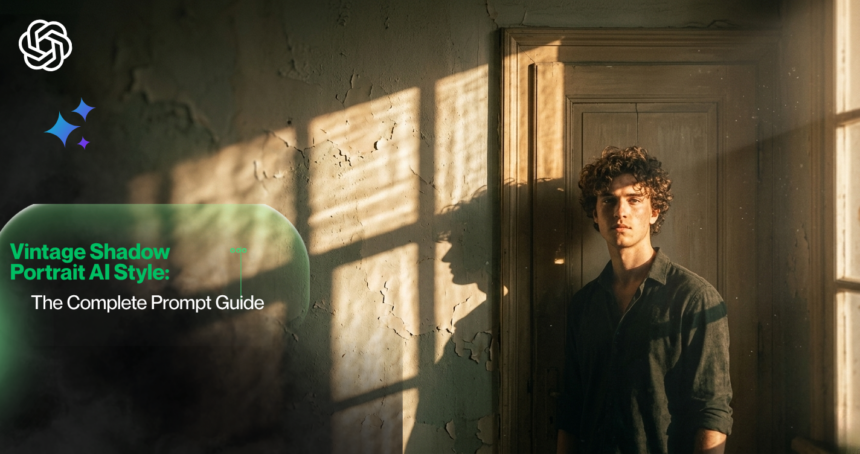
Vintage Shadow Portrait: The Cinematic AI Photography Style Everyone’s Copying
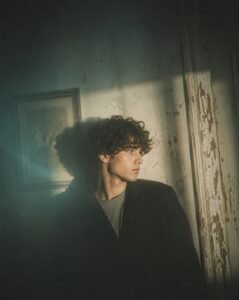
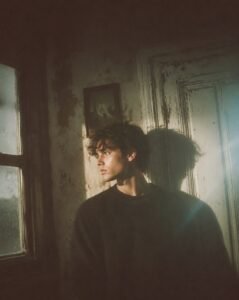
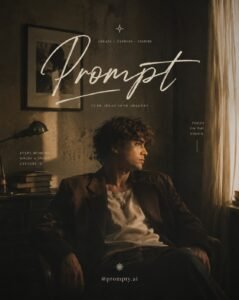
If you’ve been scrolling through AI-generated portraits lately, you’ve probably noticed one look showing up everywhere: a subject standing in an old, sunlit room, a dramatic shadow stretching across a peeling wall, and a warm, nostalgic color grade that feels straight out of a European art film. That’s the Vintage Shadow Portrait style, and it’s quickly become one of the most requested aesthetics for AI portrait generation in 2026.
This guide breaks down exactly what makes this style work — the environment, the lighting, the color grade, the lens characteristics — and gives you copy-paste prompts you can use right away with your own reference image.
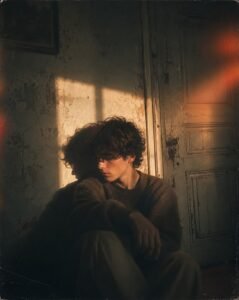
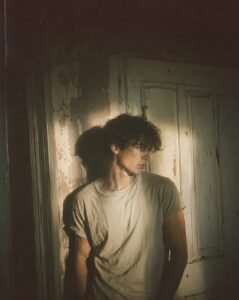
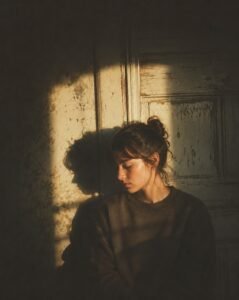
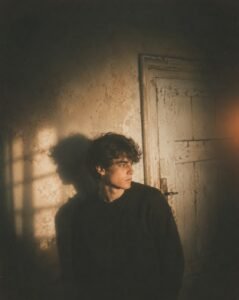
What Is the Vintage Shadow Portrait Style?
The Vintage Shadow Portrait style is a blend of five distinct photography traditions:
- Cinematic Portrait Photography
- Moody Window Light
- Vintage Film Photography
- Editorial Fashion Portrait
- Psychological Drama Aesthetic
Together, they create a look that feels less like a photo and more like a still frame from an arthouse film — emotional, textured, and deeply atmospheric.
discover Tool Makes Faceless Videos in 60 Seconds
The Core Elements That Define the Style
1. Environment
The setting is just as important as the subject. Look for:
- Old, abandoned rooms
- Peeling paint on the walls
- Vintage wooden doors
- Minimal furniture
- An aged European house aesthetic
This stripped-down, weathered environment gives the image an immediate sense of history and quiet drama.
2. Lighting — The Biggest Secret
This is where the style truly comes alive. It is not studio lighting. Instead, it mimics natural, uncontrolled light:
- Golden hour sunlight
- Light entering through a window
- A hard, directional beam
- Strong shadow projection
- A face that’s only partially illuminated
This lighting setup creates three essential effects:
- A defined shadow on the wall
- An emotional, introspective mood
- A strong storytelling feel
3. Color Grade
The color grading is what ties the whole look together:
- Highlights: warm amber
- Shadows: deep green-gray
- Overall tone: vintage film colors, slight desaturation, soft contrast, visible dust particles, and film grain
4. Lens Characteristics
To sell the cinematic feel, the lens choice matters:
- 50mm or 85mm focal length
- Shallow depth of field
- Soft bloom
- Light leaks
- Slight haze
- Dreamy focus falloff
The Vintage Shadow Portrait Formula
Here’s the simplest way to remember how all these elements combine:
Reference Image + Old Vintage Room + Golden Hour Window Light + Strong Wall Shadow + Film Grain + Soft Haze + Moody Expression = Vintage Shadow Portrait
How to Create It: Step-by-Step Process
- Upload your reference image — this locks in the subject.
- Lock identity — make sure facial features, proportions, and skin tone stay consistent.
- Change the environment only — swap the background to a vintage, weathered room.
- Keep the shadow and lighting consistent — this is what carries the aesthetic across every variation.
Ready-to-Use Prompts
Below are five prompt variations for the Vintage Shadow Portrait style. Use them exactly as written — they’ve been fine-tuned to preserve facial identity while nailing the mood, lighting, and color grade.
Master Identity Prompt
Keep exact facial identity, face shape, eyes, nose, lips, hairstyle, skin tone, age, body proportions and overall appearance from the reference image.
Place the subject inside an old vintage room with peeling walls and aged wooden doors.
Golden hour sunlight enters through a nearby window, creating dramatic shadows across the wall and a large shadow silhouette beside the subject.
Moody cinematic portrait photography, realistic skin texture, subtle film grain, soft haze, light bloom, vintage color grading, warm highlights and muted shadows.
Shot on 85mm lens, shallow depth of field, emotional atmosphere, high-end editorial photography, realistic details.
Preserve facial identity perfectly.
Window Shadow Version
Keep exact facial identity from reference image.
Subject standing beside an old wooden door while golden sunlight streams through a window. Strong geometric window shadow projected across the wall and face. Moody expression, vintage film look, soft haze, cinematic shadows, realistic photography, warm sunlight, editorial portrait.
Sitting Version
Keep exact facial identity from reference image.
Subject sitting on the floor against an aged wall. Warm evening sunlight entering through a window, dramatic shadow cast beside the subject, melancholic atmosphere, vintage room, subtle film grain, cinematic portrait photography, emotional storytelling.
Dreamy Haze Version
Keep exact facial identity from reference image.
Subject standing near a window inside an abandoned vintage room. Soft haze filling the room, light rays visible in the air, warm sunlight illuminating one side of the face, dreamy cinematic atmosphere, film grain, shallow depth of field, editorial portrait photography.
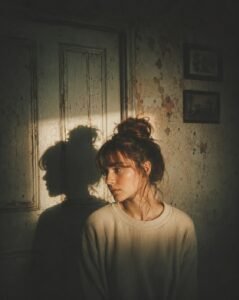
Female Version
Keep exact facial identity from reference image.
Young woman standing beside an old wooden door inside a vintage room. Hair loosely tied, oversized knit sweater, golden sunlight entering through a nearby window, strong shadow silhouette cast on the wall, warm cinematic color grading, vintage film photography, emotional and nostalgic mood.
The Secret Sauce
At the end of the day, this style isn’t really about the subject. It’s about five elements working together:
Golden Window Light + Wall Shadow + Vintage Room + Film Grain + Soft Haze
Get those five right, and you’ll consistently reproduce the exact aesthetic seen in every example above — no matter who’s in the frame.
FAQ
What camera lens gives the best Vintage Shadow Portrait look? An 85mm lens is ideal for the classic version of this style, though 50mm also works well for slightly wider framing while keeping the shallow depth of field.
Do I need studio lighting for this style? No — the entire point of this aesthetic is natural, directional window light. Studio lighting will flatten the mood the style depends on.
Can this style work with any reference photo? Yes, as long as the identity-lock instructions are included in the prompt, the environment and lighting can be changed while keeping the subject’s face consistent.